

experience-driven adversarial readiness
S46 GRASP (Gather, Research, Analyze, Secure, Prevent) is a Patent-Pending adversarial readiness platform makes cyber incidents a continuous lived-reality; so organizations can measure and improve IR/SOC teams’ technical, cognitive and crisis communication executions under real pressure.

under pressure, teams don’t raise to the best,
they fall their level of readiness
Critical Misalignment of Cyber Incidents
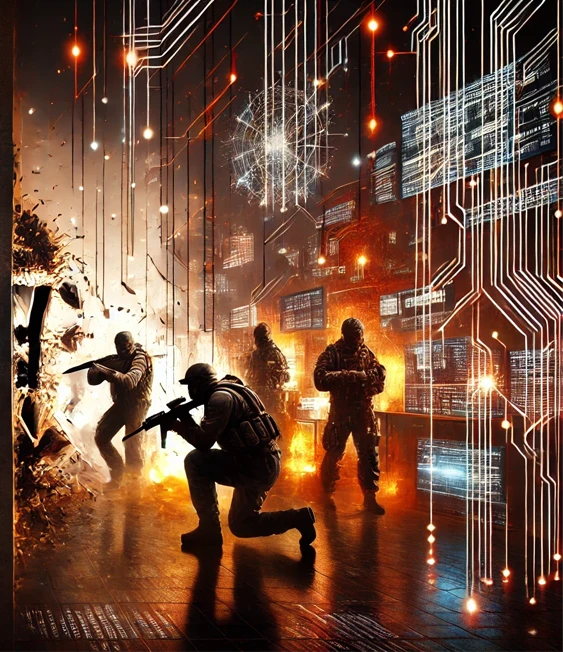
The cybersecurity industry suffers from a dangerous misalignment: cyber incidents are treated like IT problems rather than security challenges resembling guerrilla warfare. Traditional training methods rely on isolated, puzzle-like exercises, leaving front-line defenders ill-prepared for real-life incidents that are complex, multi-layered, and hostile. This leads to:
we appreciate technology, we believe in people – we appreciate technology, we believe in people – we appreciate technology, we believe in people – we appreciate technology, we believe in people –we appreciate technology, we believe in people – we appreciate technology, we believe in people – we appreciate technology, we believe in people – we appreciate technology, we believe in people –
breach and attack simulation for human and process
Adversarial Readiness Exposure for SOC/IR
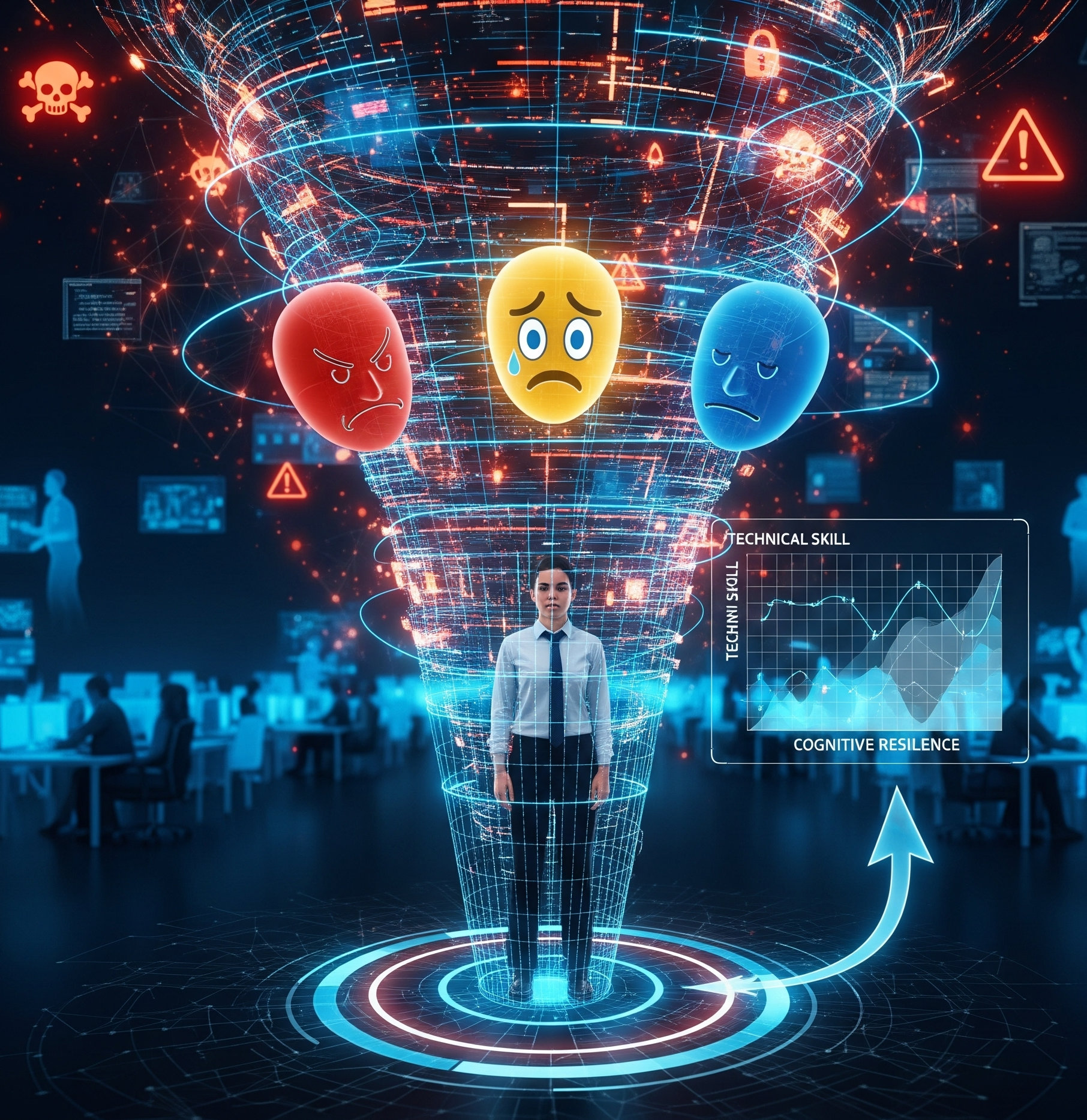
54% of cybersecurity incidents are caused by lack of incident response readiness, not technological failure. Yet existing security validation perspectives only validates the security product configurations, overlooking technical and cognitive performance of incident response teams under pressure. Organizations are responding by reshaping tech hiring models, where adaptability, readiness and resilience now dominate hiring priorities over 75% of hiring criteria. The result: 181-day breach detection time, 64% of experts already reporting burn-outs.
Cybersecurity leaders lack the tools to objectively answer critical questions: “How can we better understand the strengths of our analysts during real time investigations? What strategies help them stay effective and consistent under pressure? Where might additional support or practice close gaps and boost confidence? Is our training approach giving everything they truly need to succeed in a real-world situation?
Without a way to continuously validate the human decision-making process during a crisis, organizations suffer from:
functionality and resilience at hostile environments
Why Traditional Readiness Approach Falls Short?
Traditional approaches treat cyber incidents like puzzles to solve, not battles to survive. In the real world, cyber threats are unpredictable, hostile, and relentless — demanding defenders who are always ready, resilient, and adaptable. Controlled and over-predicted exercises can’t prepare your team for chaos.
Why Traditional Platforms Falls Short:

Why we do
Key Benefits of G.R.A.S.P
Tools don’t respond to incidents; people do. Under intense pressure, human nature is revealed. S46 GRASP benchmarks SOC and Incident Response teams performance under adversarial conditions and turns it into clear improvements for analysts, sharper and detailed oversight for leaders, and audit-ready evidence across frameworks.
Functional, Resilient and Primed Analysts

When incidents hit at random hours with incomplete information and constant pressure, analysts need a multi-dimensional readiness level. GRASP turns realistic, unpredictable incidents into a safe growth loop: you respond under real-world stressors, and then the platform analyzes every query, pivot, decision, and crisis communication to show what worked, what was missed, and exactly how to improve next time.
- Better decision-making under pressure
- Stronger critical thinking and context building
- Psychological Resilience
- Continuous combat fitness
- Faster maturity level
- Clearer more efficient crisis communication
- More consistent incident investigation quality
Multidimensional Prove Adversarial Readiness and Resilience

Executives invest heavily in security tooling, yet struggle to answer a simple question: are our people and processes ready when incidents turn chaotic at 3 AM? GRASP makes adversarial readiness measurable by simulating realistic pressure and capturing how teams actually investigate, decide, and communicate—then turning that behavior into clear benchmarks and defensible reporting.
- Benchmark & prove adversarial readiness and resilience
- Multi-dimensional data-driven incident response maturity visibility
- Reduce variance and more predictable operations
- Produce proof that IR processes are predicted and effective
- Clearer crisis communication
- Team Homogeneity
- Tech hiring accuracy
- Psychologically resilient teams
From Documented Complience to Demonstrated Resilience

As cyber regulations increasingly demand demonstrable incident readiness not just documentation, GRASP helps organizations produce defensible evidence of how their teams handle unpredictable incidents under real world pressure. This turns readiness into something measurable; enabling benchmarking, targeted improvement, and consistent, continuous reporting across frameworks.
-
ISO/IEC 27035-1 → 5 Phase Incident Lifecycle, IRT Capability
-
DORA → Art.13, Art.14 ICT Incident, Resilience Testing
-
ISO 27001 → A.5.27, A.5.28 (Post Incident)
-
NIST CSF 2.0 → Detect, Response, Recover Functions
-
NIST SP 800-53 r5 → IR-2, IR-3, IR-4 (Training, Testing)
-
SOC 2 Trust Services → CC7.3–7.5 (Incident Controls)
-
PCI DSS 4 → 12.10.2, 12.10.4 (Testing, Training)
-
FIRST CSIRT Framework → Capability Building, Continuous Improvement
-
NIS 2 Directive EU → Art.21, Art.23, Cyber Crisis, Resilience Exercise
-
IATA Crisis Communication → Crisis Communication Readiness, Coordination
-
UK DfT → Response Coordination